




組織情報の調査 Internal Knowledge
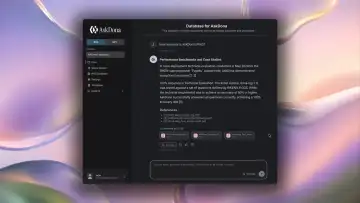
AskDonaの組織ナレッジベースを横断的に調査します。 Investigate across internal documents and organizational knowledge only.
社内ドキュメントとWeb上の公開情報を横断し、必要な情報を収集・整理。根拠付きの調査レポートまで生成する、AskDonaの調査AIエージェントです。 AskDona's research AI agent searches across your internal documents and public information on the web, collecting and organizing what you need — and even generates a cited research report.
Deep Researchで、データ整備にかける調査時間を短縮。
依頼内容に応じて、調査AIエージェントがタスクを整理し情報を収集します。 Deep Research investigates information from the sources that make sense for your task.
Depending on your needs, you can run research across three different scopes.
AskDonaの組織ナレッジベースを横断的に調査します。 Investigate across internal documents and organizational knowledge only.
ウェブ上の公開情報をベースとして、横断的に調査を行います。 Cross-domain investigation using public web data only.
組織ナレッジベースとウェブ上の公開情報を組み合わせた、双方の調査を行います。 Investigate across both internal knowledge and web sources together.
あなたの依頼に対して、能動的かつ再帰的に調査設計をAIエージェントが行います。 You decide the scope. The AI agent follows your instruction — actively, recursively.
社内ドキュメントがいくつもあり、整理されていない時、内容を特定することは想像以上に困難を極めます。 When you want to investigate a specific topic, the challenge is rarely finding some information — it's understanding how many documents mention it, where, and what each one actually says.
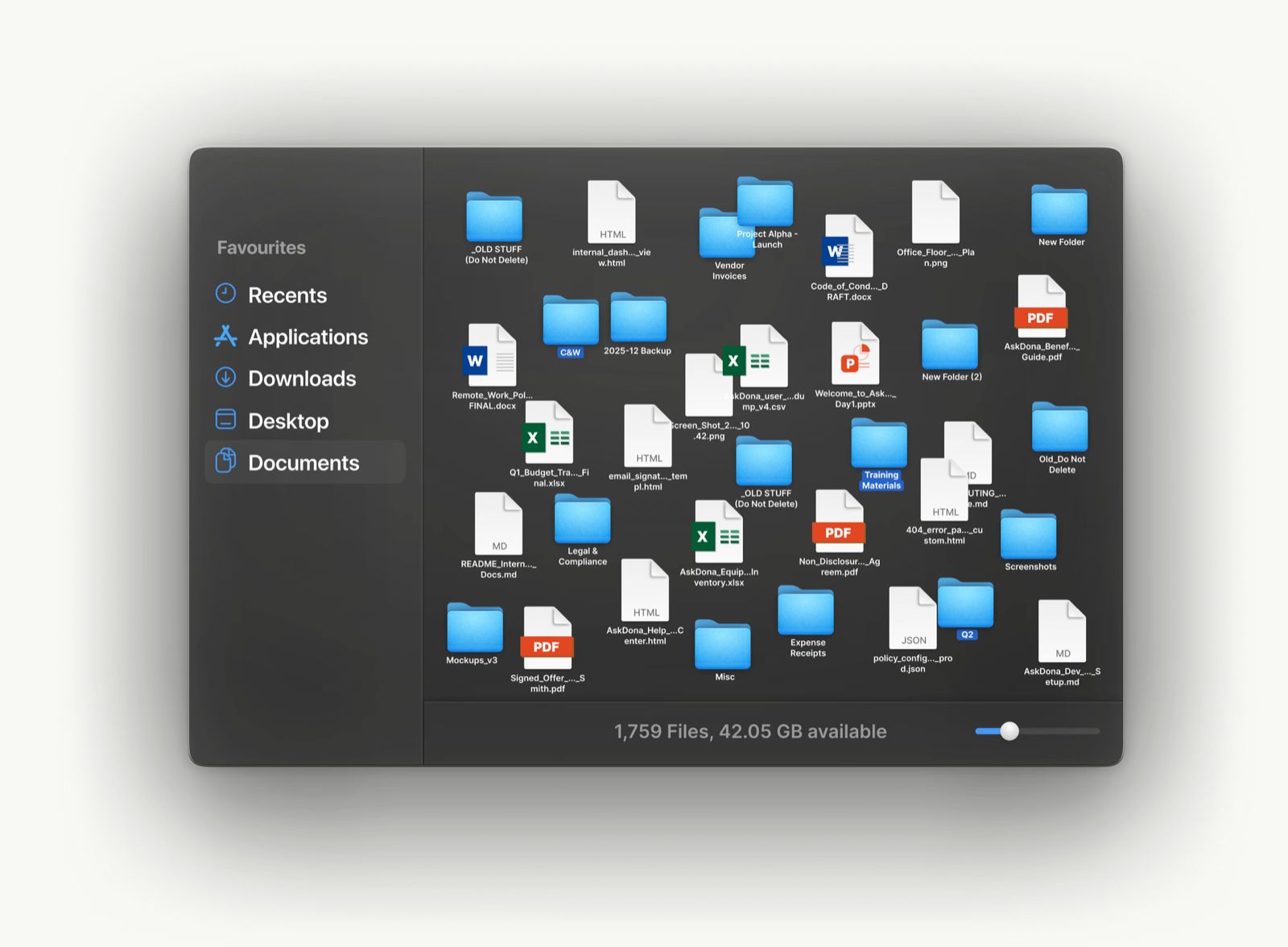
それでも、網羅性が保証されることはありません。Deep Researchは、この課題を解決するために生まれました。 Even then, coverage is never guaranteed. Deep Research is built to solve this problem.
Deep Researchとは、ユーザーの調査依頼内容に基づいて、5つの役割を持つAIエージェントが連携し、組織データまたは公開されているウェブ情報の調査業務を支援する機能です。AIエージェントは必要な情報を自律的かつ再帰的に深掘りしながら、調査結果を構造化してレポートを生成します。 Deep Research is a feature in which five specialized AI agents collaborate — based on your research request — to investigate either organizational data or public web sources. The agents autonomously and recursively dig deeper into the material, then structure the findings into a report.
一問一答形式ではなく、これまで人が数時間かけて行っていた調査業務を、AIエージェントが数十分で行うことを目指して設計されています。 Rather than a single-turn Q&A, Deep Research is designed so that investigation tasks that previously took a human several hours can be completed by the agent in tens of minutes.
依頼の受け取りから前提条件のすり合わせ、調査の実行、レポート生成までを、
5つの役割を持つAIエージェントが連携して自律的に進めます。 From receiving the request to clarifying assumptions, conducting the search, and generating the final report —
five role-specialized agents collaborate autonomously through the process.
Deep Researchは、最初に調査を依頼するところから始まります。「調査したい内容」「調査する目的」「調査後のアウトプット」の3点を伝えるだけで進められます。調査内容が不明瞭な場合でも問題ありません。AIがユーザーの依頼事項をヒントに、調査実行へ向けて計画を立てます。 Deep Research starts with the request itself. You tell the agent what you want to investigate, the purpose of the research, and the kind of output you expect. Even if the topic isn't fully crystallized, that's fine — the AI uses your prompt as a hint to plan the investigation.
AIエージェントは、実際に調査を行う前に、調査にあたっての前提条件や必要情報が揃っているかを確認します。利用可能なドキュメントの事前確認、調査タスクの充足度の確認といったプロセスを経て、ユーザーへの追加質問(フォローアップ質問)の準備を行います。 Before collecting information, the agent first decides how the research should be conducted. It reviews the available internal databases and relevant web sources, then prepares follow-up questions based on what it learned during preparation.
AIエージェントが生成するフォローアップ質問は、調査精度を高めるための重要なプロセスです。事前調査で確認できた事項を共有し、不足している前提条件の提示や、調査の二度手間を防ぐための質問を行います。実際にヒトが調査を行うときに自然に行うヒアリングに近い作業を経て、調査内容をタスクに因数分解し、前提条件を揃えることで質の高い調査を実行できます。 Follow-up questions are how the agent confirms assumptions, identifies missing context, and prevents unnecessary rework later. The exchange mirrors how an experienced researcher prepares before starting a detailed investigation — you supply the missing context, and the agent proceeds with the research factorized into clearly-scoped sub-tasks.
ユーザーからの調査タスクと追加情報をもとに実行項目を整理したら、いよいよ調査開始です。5つの異なる役割を持つAIエージェントが連携し、社内データやウェブ情報に対して自律的かつ再帰的に調査を実行します。調査項目の洗い出し、項目に基づいた検索、結果の分析・集計、項目の確認および再調査 — タスクを遂行するまで調査を続けるため、数十分の調査時間に対して参照情報は数十件から数百件に及ぶ場合もあります。 Once the agent has the task plus the additional context you provided, the investigation begins. Five role-specialized agents collaborate to autonomously and recursively search across internal data and web sources — listing research items, running queries against them, analyzing the results, then revisiting and re-querying as needed. The agent keeps going until the task is complete; in tens of minutes of investigation time, the number of sources referenced can range from dozens to hundreds.
調査が完了したら、最終的なアウトプットを生成します。Deep Researchは、収集した情報を集めてまとめるだけでなく、読みやすいように文章を整えます。重複する情報の削除や集約、参照情報元に忠実な根拠の整理、論点ごとの構造化、そして指定された構造への文章作成といった工夫を凝らします。 When the investigation is finished, Deep Research generates the final output. The system does more than collect and bundle information — it consolidates large volumes of material, structures the content logically, organizes evidence faithfully against its source, removes duplicates, and writes in the format you specify.
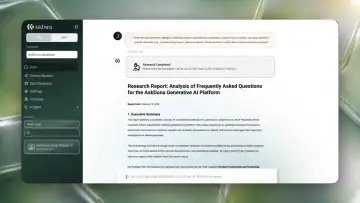
調査レポートが完了すると、ユーザーは画面上で表示される結果を確認し、必要に応じてダウンロードすることも可能です。 Once the report is complete, you can review the results on screen and download the output if needed.
はい、RAGのデータベースにアップロードされたファイルは日本国内のサーバーで管理されます。 Yes — files uploaded to the RAG database are managed on servers within Japan.
はい。ログイン後の認証情報に基づき、お客様のデータに対して厳格な論理的分離を実施しています。そのため、他のお客様のデータにアクセスすることはない仕様となっています。 Yes. AskDona enforces strict logical separation of customer data based on login credentials, so other customers cannot access your data.
会社のポリシーで社内データの社外持ち出しができない企業様向けに、自社で契約しているクラウド (AWS、GCP) でAskDonaを導入する方法もございます。詳しくはお問い合わせください。 For organizations whose policies prohibit moving internal data outside, AskDona can also be deployed into your own contracted cloud (AWS, GCP). Contact us for details.
PDF、Word (.docx)、PowerPoint (.pptx)、Excel (.xlsx)、CSV、HTML、Markdown、画像ファイルなど主要なフォーマットに対応しています。容量や運用条件の詳細はお問い合わせください。 AskDona RAG supports major formats — PDF, Word (.docx), PowerPoint (.pptx), Excel (.xlsx), CSV, HTML, Markdown, and image files. Contact us for capacity and operational limits.
いいえ。AskDonaに送信される質問やアップロードしたファイルなどのデータが、ChatGPTなど生成AIモデルの学習に利用されることはありません。今後採用する生成AIモデルについても、学習にデータを使わない契約のものに限定する方針です。 No. Questions and uploaded files sent to AskDona are never used to train ChatGPT or other generative-AI models. Any models we adopt going forward will be limited to those covered by no-training-on-customer-data agreements.